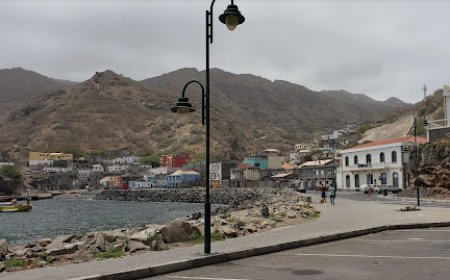










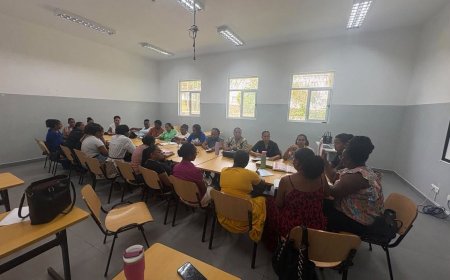

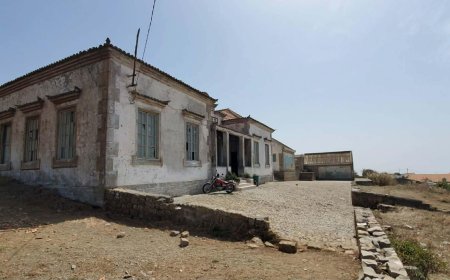





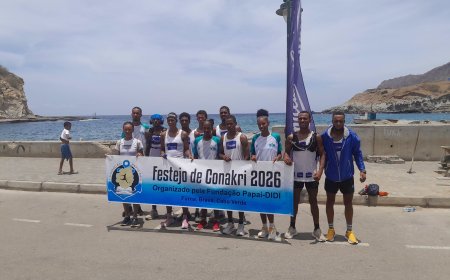




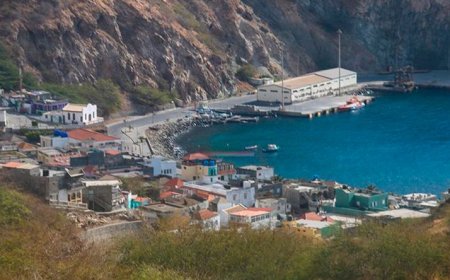
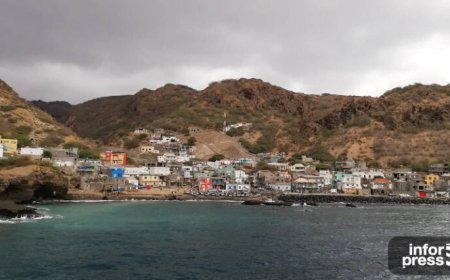
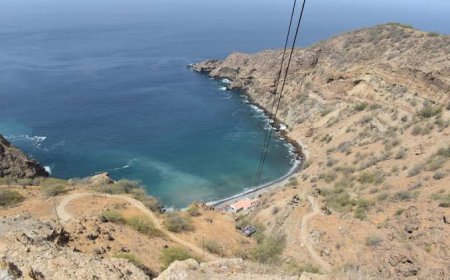


Brave: Veterinary campaign evaluates 65 producers and collects samples from 230 animals.
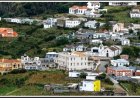
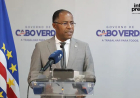
Veterinarian Luís Capela stated today that livestock conditions on Brava Island have exceeded the expectations of the technical team, following two weeks of fieldwork.
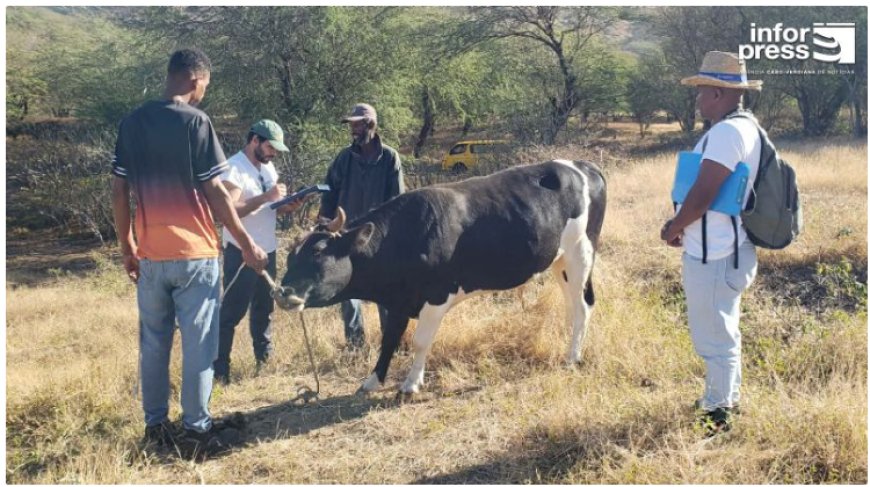
In statements to Inforpress, Luís Capela reported that approximately 65 cattle and goat producers were evaluated and samples were collected from about 230 animals.
The veterinarian highlighted that, despite the rural context and the extensive farming system prevalent on the island, the animals receive technical support from the Ministry of Agriculture and Environment (MAA), registering production levels that can be considered "surprising".
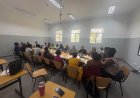
According to the veterinarian, the team intends to return to the island to promote training and improvement actions in animal handling and management, reinforcing the importance of continuous learning on the part of producers.
“It is essential that producers have an open mind, that they don’t close themselves off, because there is always room for improvement and learning,” he stated, emphasizing the importance of following the recommendations of the local technician and sharing good practices among producers.
Capela also highlighted that producers who benefit from greater technical support visibly demonstrate better production quality, urging them not to isolate themselves on their farms and to learn from those who achieve better results.
Regarding laboratory analyses, he explained that all samples collected will be subsequently analyzed in Portugal, with the results being communicated to the Ministry of Agriculture, especially in cases of diseases that must be reported.
The campaign also includes screening for occupational diseases and zoonoses, which must be reported to the authorities.
In this regard, he also warned about the risks associated with consuming fresh cheese made with raw milk, a cultural practice that exists on the island, and advocated for the need to implement preventive measures to reduce the risk of disease transmission from animals to the end consumer.
Regarding the production system, Luís Capela considered that free-range grazing, a common practice in Brava, has promoted animal health and should continue to be encouraged.
He also warned that the intensification of production and the confinement of animals could increase the spread of diseases and make management more difficult, for which many producers are not prepared.
However, he drew attention to the invasion of herbaceous plants not consumed by animals, which reduces the island's foraging capacity, advocating for the continuation of the work of the Biflores Association and greater government support for the control of these species.
“The introduction of productive improvements, such as genetics or intensification of the system, must be done slowly, gradually and with monitoring,” he stressed, arguing that free grazing is one of the island's main benefits, also contributing to the control of forage and biodiversity, despite the risks associated with mixing animals from different farms.
This action falls within the scope of strengthening animal health and knowledge about the main diseases affecting livestock on Brava Island and was carried out in partnership with the Covets Association, with the support of the Biflores Association, Veterinarians Without Borders (Portugal), among other partners.
DM/ZS
Inforpress/End